


Characteristics and Application Fields of Electric Furnace Transformers
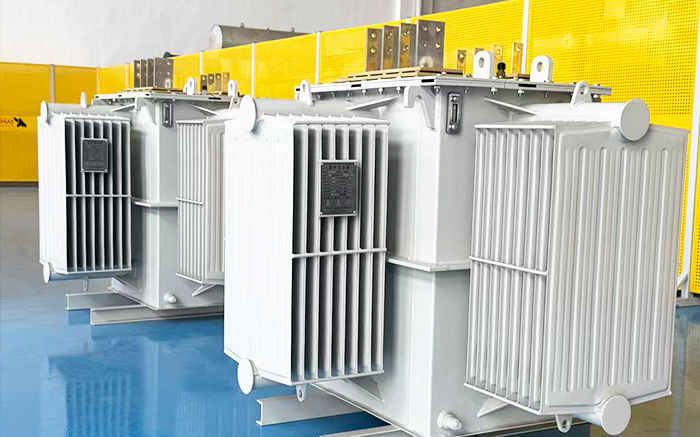
The electric furnace transformer is a specialized power transformer for steelmaking electric arc furnaces, and its capacity needs to be configured according to the size of the electric arc furnace and the requirements of the smelting process. To meet the voltage regulation requirements during the smelting process, electric furnace transformers control the supply voltage through voltage regulation, which is mainly divided into two types: on load voltage regulation and non excitation voltage regulation.
Pressure regulation method and structural form
Large electric furnace transformers with on load voltage regulation usually do not have series reactors, and their voltage regulation process can be completed under load conditions, which is suitable for the continuous smelting requirements of large electric arc furnaces.
Small and medium-sized electric furnace transformers without excitation voltage regulation can be divided into two types based on their structural form: those with series reactors and those without reactors. Both of these structures can change impedance at the highest two voltages, but the implementation methods are different: the former relies on the input and disconnection of series reactors to change impedance; The latter changes the winding impedance by altering the connection method of the high-voltage winding of the electric furnace transformer itself. This difference determines that each structure has its own emphasis on applicable scenarios and maintenance methods.
Manufacturing process and technical characteristics
The electric furnace transformer adopts a series of mature processes in manufacturing to ensure its reliability under harsh working conditions. The iron core is made of high-quality oriented silicon steel sheets, processed by fully automatic cutting lines, and manufactured using a 45 degree full oblique seam, non punching, and non weft glass adhesive tape binding process, effectively reducing iron core loss and noise. The coil adopts the latest international main longitudinal insulation structure, and by selecting the winding structure and insulation method reasonably, it ensures that the winding has sufficient mechanical strength.
The comprehensive results of these designs and processes make the electric furnace transformer have strong short-circuit resistance, strong overload capacity, high efficiency, low loss, safety and reliability, and can adapt to frequent load fluctuations and short-term impacts in the electric arc furnace smelting process.
Application Areas
The application of electric furnace transformers covers multiple industrial categories, and their core scenarios revolve around electric furnace smelting and electric heating processes.
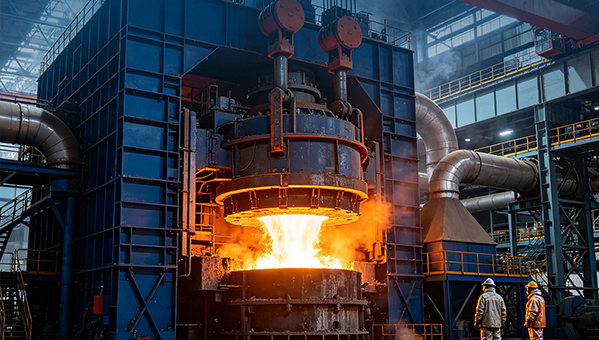
The metallurgical industry is the main application field of electric furnace transformers, used for melting high-quality alloy steel, ferroalloys, etc. Electric arc furnace smelting requires high continuity of power supply and flexibility in voltage regulation, and the performance of electric furnace transformers directly affects smelting efficiency and product quality.
In the chemical industry, electric furnace transformers are used to produce products such as yellow phosphorus, calcium carbide, and synthetic resins. These processes typically require long-term stable power supply, which places high demands on the overload capacity and operational reliability of transformers.
In the mechanical industry, electric furnace transformers are used in scenarios such as the melting of cast steel and iron. The requirements for temperature and composition control of molten iron in the casting process also rely on the stable voltage regulation capability provided by the electric furnace transformer.
Overall, the characteristics and uses of electric furnace transformers are highly unified: their voltage regulation methods, structural forms, and manufacturing processes are designed around the actual needs of electric furnace smelting and electric heating processes. Understanding this can help better match the requirements of operating conditions in selection and use.
-
 2026-09-17 09:11:34
The Road to Energy Efficiency Upgrade of 110kV Oil immersed Power Transformer Backbone Equipment in Power Grid
-
 2026-09-17 09:44:42
Balancing energy efficiency and cost for oil immersed distribution transformers
-
 2026-09-17 09:10:00
Special transformers usher in the era of customization
The causes and noise reduction ideas of iron core noise in magnetic voltage regulators
Next:Working principle and introduction of magnetic voltage regulator